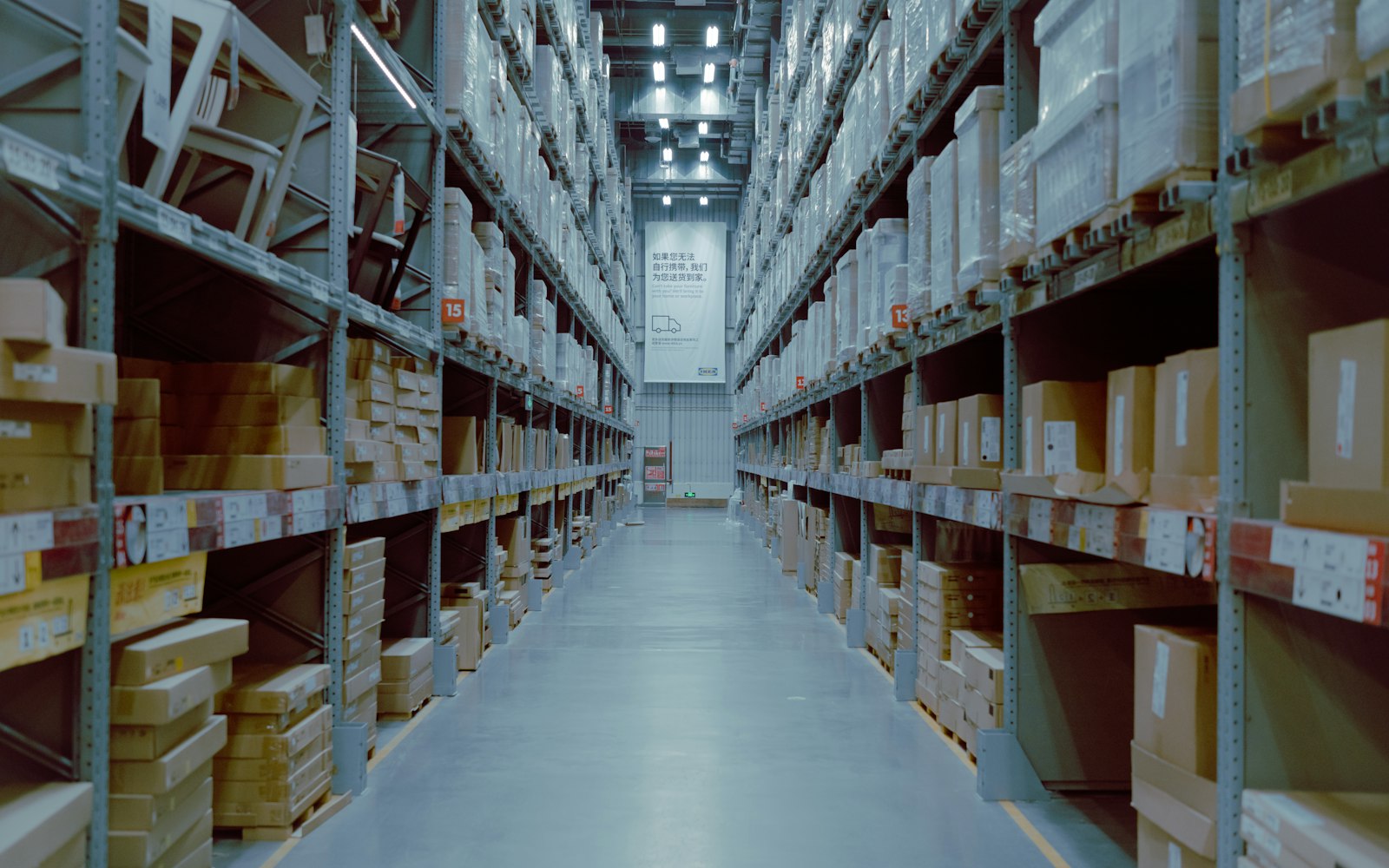
Volatility in imported chemical supply chains: risks and how to stay ahead
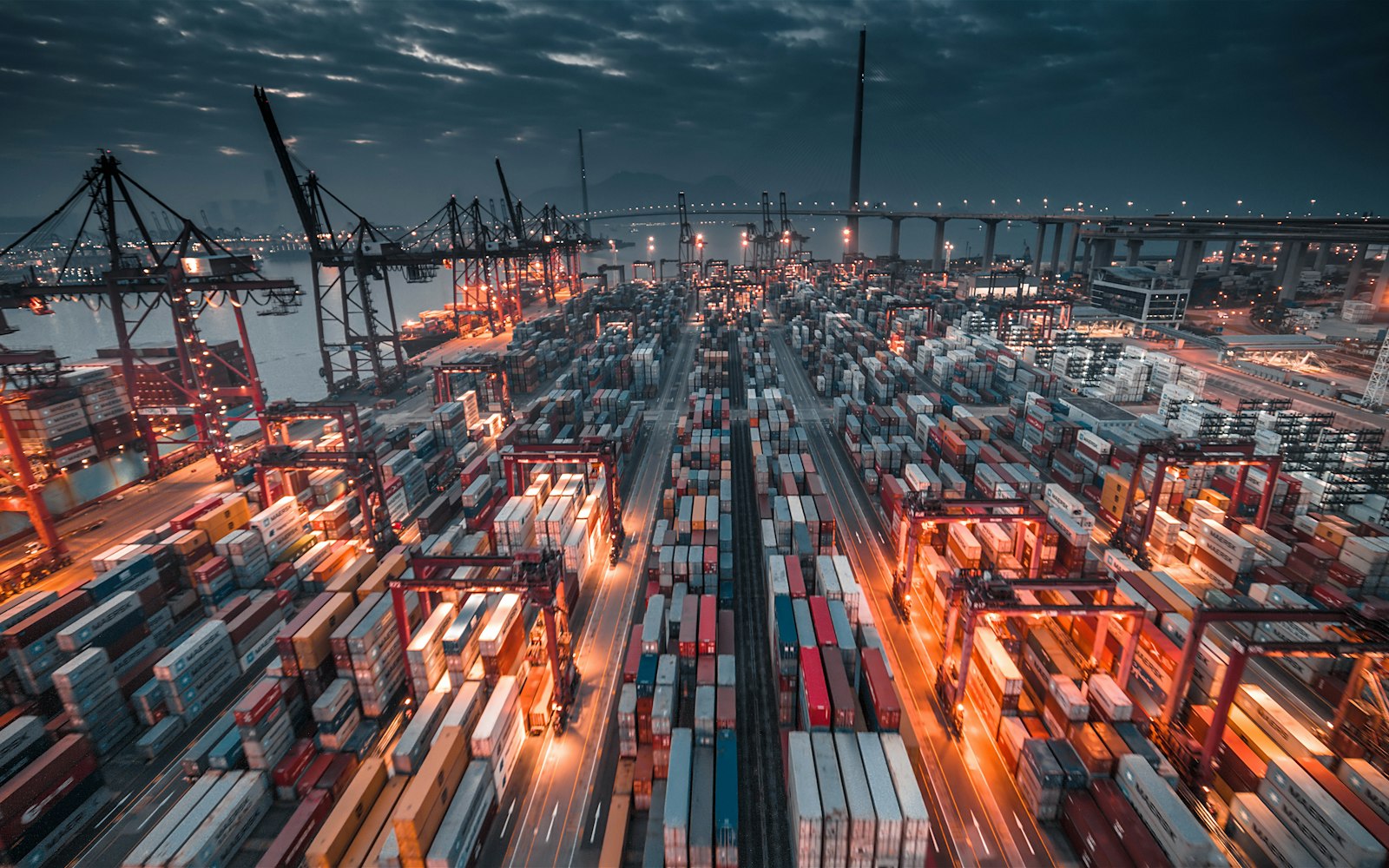
Geopolitical conflict brings supply disruption and rising raw-material and freight costs. Holding stock near the point of use reduces risk.
In recent years, imported chemical supply chains have been hit repeatedly by geopolitical conflict, rerouted shipping and volatile energy prices. In sectors that rely on specialty chemicals, such as aerospace, automotive and electronics, one late shipment can hold up an entire line.
Four common risks
- Supply disruption: longer, less predictable lead times.
- Rising raw-material costs: input prices follow global markets.
- Higher freight rates: especially for dangerous goods needing specialised containers and carriers.
- Shelf-life risk: goods waiting at port or in unsuitable storage can expire or degrade.
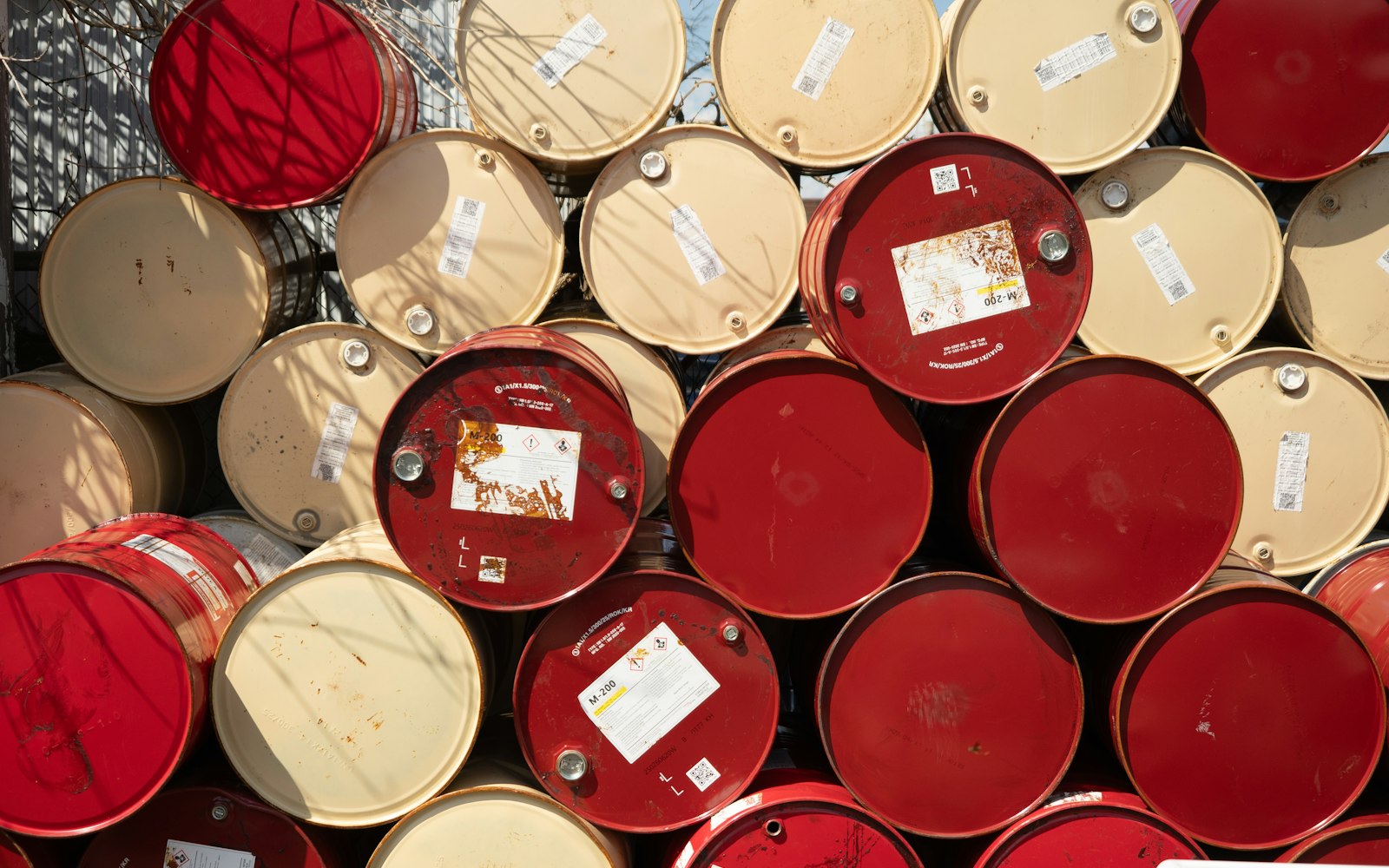
Staying ahead with strategic stock
Instead of importing order by order, many companies now keep safety stock close to where it is used. This builds resilience and allows larger, more economical shipments, but requires a compliant warehouse, correct segregation by hazard class and first-in-first-out shelf-life control.
TKT's warehouse at Binh Xuyen Industrial Park is about 20 km from Noi Bai Airport, well placed to hold stock for northern industrial parks. This article is a general analysis, not a market forecast for any specific product.
Talk to TKT →